How DanCan bought and sold a house for less than a used car
A former drug house inside Spokane city limits, a third of the roof gone to fire, brought by a realtor Dan's 17-year-old son met on a golf range. Bought for $12,000 and sold in 16 days.
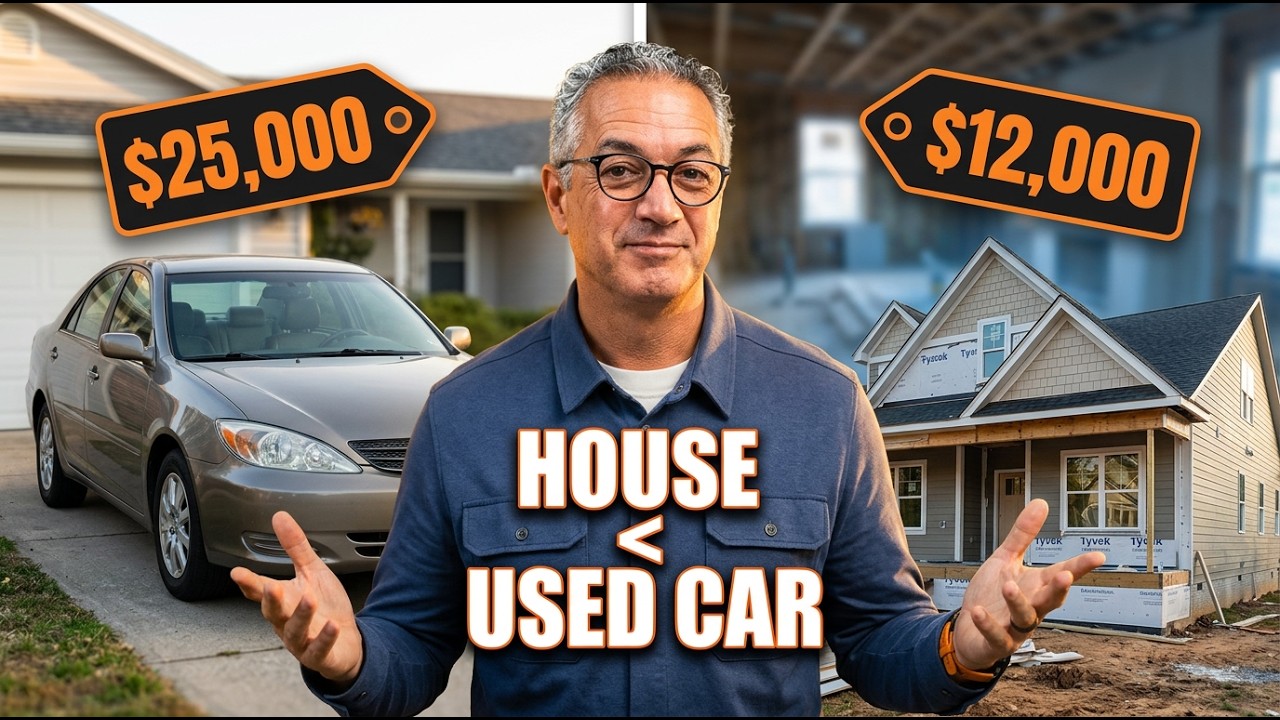
At the time Dan recorded this episode, the average used car in the United States sold for about $25,000. He had just bought and sold a house for less than that. The whole thing, in his words, came down to three words: referrals, community and opportunity.
The phone call
The property came from a realtor Dan had already bought two houses from in the previous year, one off West Francis and one on the South Hill. He only knew the realtor because his 17-year-old son had been on the practice range at the country club late one summer evening, struck up a conversation with a former employee who was now a member and a realtor, and said: my dad and I buy off-market real estate; if you ever come across any, let me know.
This time the realtor hesitated on the phone. He had a client with a house inside city limits. It had been a drug house. Then someone had set it on fire, and the fire had taken out about a third of the roof. He did not want the listing on his website, and the seller just wanted out.
Dan and his team walked it. In his words: a train wreck, all messed up. Perfect. I want it.
The number
The seller’s ask made Dan laugh out loud. His counter was $12,000. He is candid that he does not know exactly why that number came to mind; it did, and the seller took it.
For context, the county’s tax-assessed value on the parcel was about $170,000, of which the land alone was roughly $40,000 to $50,000. The after-repair value, what a fully restored house on that street should sell for, was about $305,000. Dan and his investor were in it for $12,000.
“That margin of safety is huge.”
A cushion between cost and value reduces risk on a project; it does not remove it. A fire-damaged house can hide more damage, a buyer can fall through, and a market can move in sixteen days or sixteen months.
Sixteen days
Dan sourced the deal. His team’s realtor, Ethan, has his own network of people who buy off-market properties, and he found the buyer. They closed in sixteen days. Dan does not disclose the sale price on air (“to protect the innocent”). He describes the outcome as a good one. This site does not publish the sale price or any investor’s return on the deal; a real opportunity’s terms are described only in its offering documents.
The next owner is doing the full renovation, an estimated $70,000 to $120,000 of work: a new roof, plumbing, electrical, everything.
Why Dan tells this story
Not for the number. For what the number did. The neighbors and the small businesses around that house did not want a drug house on their block. A general contractor got the job and his two or three employees got the work. A roofer, a plumber and an electrician got paid, and so did the supply houses they buy from. The house will sell three times, generating three rounds of excise tax for roads, first responders and schools. And a family is going to move into an affordable, fully restored home.
“All of these amazing things happen when we initiate into the marketplace.”
What made it possible
Dan owns the verticals. A general contracting license and two crews. A realtor on the team. A bookkeeping company that reconciles every invoice, pays every investor promptly and files the quarterlies. In March 2026 the team was closing four houses in the month. Dan’s point to investors is that they are not just investing in a parcel; they are investing in the network that finds these properties and the team that executes on them.
He is equally direct about the other side: it is an investment, it can lose money, and a lot of people are right that real estate can be expensive and complicated. Not every project goes like this one. The way through, he argues, is partnering with the right people, which is exactly what the ten questions are for.
This story describes one specific past project as Dan told it on the podcast. It is not representative of every project, other projects have taken longer or earned less, past performance is not indicative of future results, and nothing here is an offer of securities, a projection of any return, or a description of any current opportunity. Any actual opportunity is described only in its offering documents.