Discover Private Real Estate Opportunities Most Investors Never See.
I believe you should understand how private real estate investing works before you ever invest a dollar of it.
The DanCan Private Investor Network gives qualified investors a way to learn how we identify, underwrite and participate in off-market Pacific Northwest real estate.

"Don't ask only how much you can make.
Ask how much you can lose."
— Dan Cantillana
Invest in what matters.
I believe you should invest in yourself, others, real estate, notes, and small businesses.
But before you invest a dollar, you should understand what you're investing in.
That's why I created The DanCan Private Investor Network.
We teach qualified investors how private real estate investing works, from finding off-market opportunities and evaluating the people behind the deal to understanding the numbers, the structure, and the risks.
Real people. Real properties. Real opportunities.
Education first.Conversation second.Investment only if it makes sense for you.
Because the goal isn't simply to find another investment.
It's to become a better investor.
Curious? Start with the 10 questions every private investor should know.

You don't have to swing the hammer to invest in real estate.
Most people think real estate investing means one of two things:
- Becoming a landlord.
- Flipping houses on weekends.
- Unclogging toilets at 2 a.m.
- Fighting over MLS listings.
So they conclude real estate is too expensive, too complicated, or only for the wealthy. Meanwhile, a quieter form of participation exists:
- Someone with a network finds the property before it's ever listed.
- Someone with crews and a license does the work.
- Someone with a track record manages the project from purchase to exit.
- You provide capital, on terms you understand, in a structure you've read.
The problem isn't a lack of opportunity. It's the lack of an education in how private real estate actually works, where opportunities come from, how returns may be generated, and, most importantly, what can go wrong.
That education is what this network is for.
Meet Dan Cantillana
Fourth-grade teacher. Then outside sales, insurance, and more than twenty years of building businesses in Spokane through relationships and referrals.
Today Dan buys distressed, off-market properties in Spokane and Kitsap County, restores them with his own crews, and resells them. Private and accredited investors participate in those opportunities through the DanCan Private Investor Network.
He never really stopped teaching. On The Invested Life podcast and YouTube channel he shares the principles, relationships, successes and failures that shaped his approach: before you invest in real estate, invest in yourself.
Teach. Connect. Multiply.

The Private Investor Experience
Three steps, in this order. Nobody skips to the end.
Learn how it works
Read the ten questions every prospective private investor should be able to answer. Watch the property stories. No pitch, no pressure.
Get the 10 Questions →Ask your questions
A 15-minute conversation with Dan about where you are, what you've read, and what you want to understand before you'd ever consider investing.
Start a conversation →Decide on your terms
If an opportunity is appropriate for you and you're eligible, it's presented through its own offering documents. You decide, with your advisers.
See the whole process →Three ways private investors typically take part
Every structure puts your money in a different place in line, with a different kind of protection. Understanding which one you're in is the first question in the guide.
Fund participation
Capital pooled with other investors and deployed across multiple properties, managed by the operator from acquisition to exit. Diversified across projects; least hands-on.
How it works →Individual projects
Participation in a specific property — typically a distressed, off-market purchase that is renovated and resold. You know exactly which house your capital is in.
How it works →Private lending
A short-term loan to the project secured by a recorded lien against the property. Debt rather than equity: a stated rate and term, with the collateral as the lender's recourse if the borrower defaults. Secured does not mean risk-free.
How it works →Return figures, terms and fees are not published on this site. They belong in the offering documents for a specific opportunity, which control over anything you read here.
Real people. Real properties. Real opportunities.
Imagine understanding a private real estate opportunity well enough to explain it to your spouse, your CPA and your attorney in plain language.
- Not because someone promised you a number.
- Not because a person you like recommended it.
- Because you asked the ten questions, read the documents, evaluated the people, and understood the downside before you decided.

That's a private investor.
Learn how it worksHow DanCan bought and sold a house for less than a used car
A former drug house inside Spokane city limits, a third of the roof gone to fire, brought by a realtor Dan's 17-year-old son met on a golf range. Bought for $12,000 and sold in 16 days.

"Never invest in something simply because someone you trust recommends it. Understand it yourself."
Before you evaluate the property, evaluate the people.
Before you evaluate the people, understand the structure.
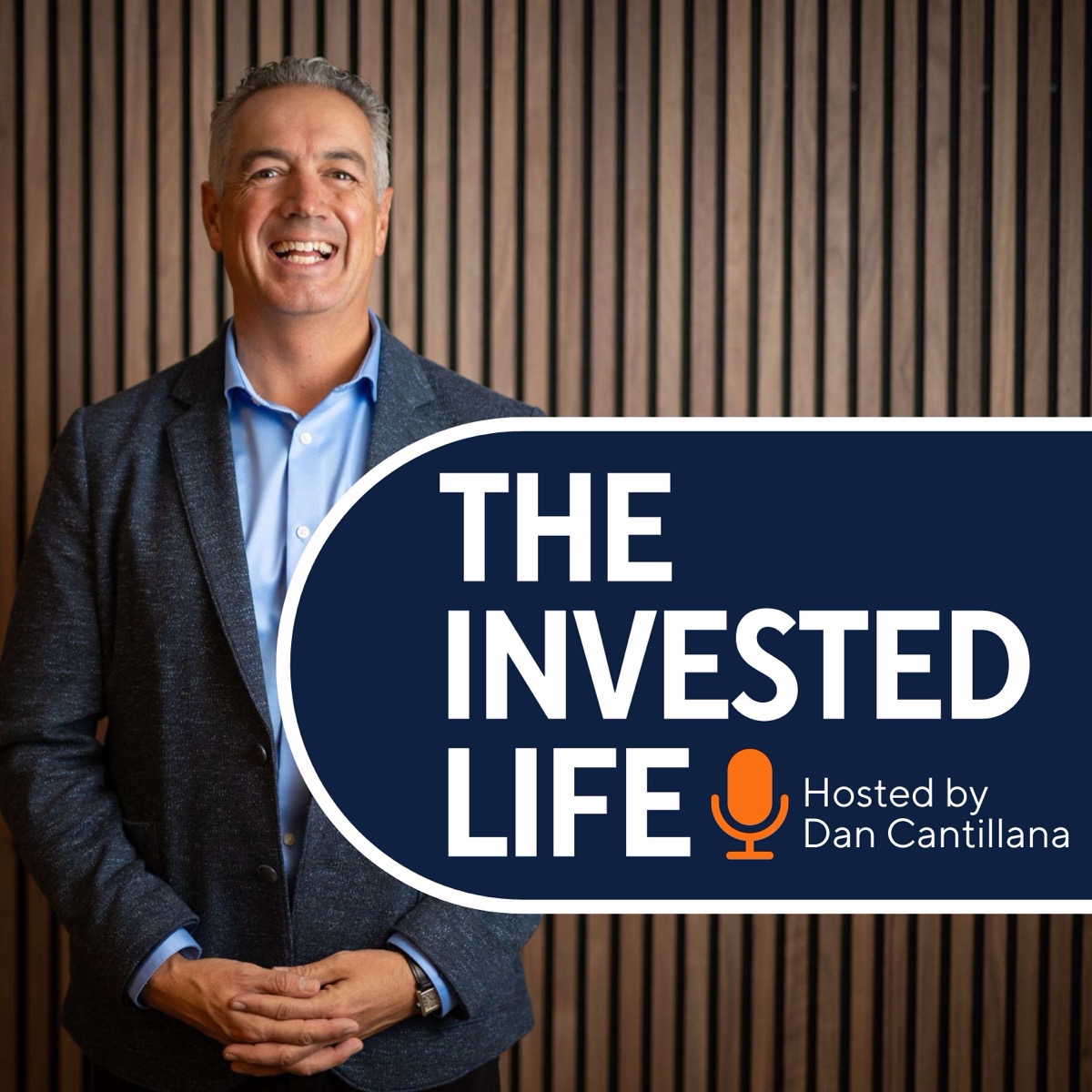
The Invested Life
Conversations and practical education for small-business owners building businesses, wealth, relationships, and lives worth investing in.
Protect. Provide. Promote.
Listen to the podcastWords from the community
"Dan is the most enthusiastic, transparent business partner I have had the pleasure of working with. He's constantly giving his partners updates about what is going on with his business. I highly recommend DanCan!"
"Investing with DanCan has been marked by excellent communication and a real sense of partnership. Their team consistently keeps us in the loop with ongoing updates. We couldn't be happier with the level of transparency and genuine care they provide."
These statements were given voluntarily by individual investors who were not compensated for them. They describe communication and working relationship, not investment results, and are not representative of every investor's experience or indicative of future performance. Private investments involve substantial risk, including the possible loss of capital.
Straight answers before you call
Every question below starts with the direct answer, then the details. They're the same ten questions in the guide, written for anyone deciding whether private real estate belongs in their plan.
Browse every questionWhat does it mean to be a private real estate investor?
A private real estate investor puts capital into a real-estate-related opportunity that is not bought and sold on a public exchange. Depending on the structure, you might participate through a promissory note, an LLC or partnership interest, a fund, or another private security. The specific legal documents, not the marketing language, determine what you actually own and what rights you have.Read the full answer →
How is private real estate investing different from buying a rental property myself?
When you buy a rental yourself, you select the property, arrange financing, manage the asset and make every operating decision. In a passive private investment, another person or team sources and manages the opportunity while you provide capital. That reduces your day-to-day involvement, but it also means you are relying heavily on the operator's judgment, experience, controls and execution.Read the full answer →
Do I need to be an accredited investor to invest in private real estate?
It depends on the offering. Many private real estate offerings are limited to accredited investors, while some exemptions permit participation by certain non-accredited investors. Under current SEC rules an individual can qualify several ways, including income and net-worth tests and certain professional credentials. Always determine which exemption applies to the specific offering and how eligibility will be verified.Read the full answer →
How do private real estate investors potentially make money?
Returns depend entirely on the structure. A private real estate investment might pay interest on a loan, distributions from property cash flow, a share of appreciation or sale proceeds, or some combination. There is no universal return for private real estate, and projected returns are never guaranteed. Ask exactly where the money is expected to come from and what has to go right for the investment to perform as projected.Read the full answer →
What is my private real estate investment actually secured by?
Never assume that "real estate investment" means your money is directly secured by a particular property. Ask whether you are making a loan, buying an ownership interest, investing in a fund, or using another structure. If a loan is described as secured, ask about the collateral, your lien position, the loan-to-value methodology, title, insurance, guarantees, and exactly what happens if the borrower defaults.Read the full answer →
What should I know about the operator before investing in their real estate deal?
Treat the people behind the opportunity as seriously as the property itself. Ask about their experience, prior projects, underwriting process, track record, business partners, conflicts of interest, use of investor funds, reporting practices, and what happened when previous deals did not go according to plan. Good due diligence includes understanding both the successes and the setbacks.Read the full answer →
Questions before promises.
Understand it before you invest in it.
Start with the ten questions every prospective private investor should be able to answer. Then, if it makes sense, let's have a conversation.
No pressure. No sales pitch. Education first.